IVF after 40 requires an honest discussion of age-related prospects, treatment response, and your goals. Some patients pursue treatment with their own eggs; others consider donor eggs.
Your age matters, but a useful consultation also considers ovarian reserve, previous cycles, sperm findings, and any embryos or eggs already stored.
Why does age affect IVF?
As eggs age, the proportion capable of producing a chromosomally normal embryo generally decreases. A cycle may therefore produce eggs without producing an embryo suitable for transfer, or a pregnancy may end in miscarriage.
The age when eggs were retrieved is especially relevant when using previously frozen eggs or embryos. The age and health of the person carrying remain important for pregnancy care.
Can you use your own eggs?
That discussion depends on your age, expected response, previous embryo development, and how you weigh the potential benefit against time and treatment burden.
A reasonable plan may include an own-egg attempt with clear reassessment points. In other circumstances, the prospects may be sufficiently limited that alternatives deserve early discussion.
Does genetic testing solve age-related infertility?
PGT-A can provide information about chromosome number in sampled embryo cells. It does not make eggs younger, improve the chromosomes of an embryo, or ensure that a cycle produces a transferable embryo.
Testing decisions depend on expected embryo numbers, your history, and how the information would change care.
Would mini IVF or several retrievals help?
A different stimulation approach may be considered after reviewing response, but lower or higher doses do not automatically overcome age-related limits.
Additional retrievals can provide further opportunities to create embryos. They also add treatment and time. The decision should include a realistic discussion of cumulative prospects and when you would reconsider the plan.
When are donor eggs considered?
Donor eggs may offer a different reproductive prospect because embryo potential is strongly influenced by the donor’s egg age. They do not remove pregnancy risks related to the carrying person’s health.
The choice involves medical, personal, and family considerations. It should be discussed clearly without assuming that every patient has the same priorities.
Get a plan that reflects your circumstances
Dr. Arnold Mahesan reviews your age, results, and prior treatment to help you understand the available paths and the limitations of each.
Contact Dr. Arnold’s office to discuss your individual prospects and current treatment fees.
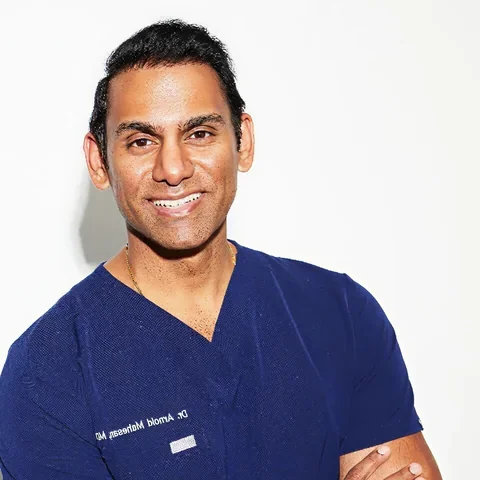
By Dr. Arnold Mahesan
Fertility SpecialistBeverly Hills Babies
Dr. Arnold Mahesan is a board-certified fertility specialist with extensive experience in IVF, fertility treatment, and gestational surrogacy. He is committed to helping intended parents navigate their journey with personalized care and expert guidance.