In vitro fertilization, or IVF, involves collecting eggs, fertilizing them with sperm in a laboratory, and transferring an embryo into the uterus. It may be considered for tubal disease, sperm-related infertility, unsuccessful previous treatment, age-related concerns, or genetic testing.
IVF can also support family building with donor eggs, donor sperm, or a gestational carrier. The treatment plan depends on the reason for care and who will provide eggs, provide sperm, and carry the pregnancy.
What happens during IVF?
01.Assessment and planning
Your physician reviews fertility findings, medical history, and previous treatment before choosing a stimulation and laboratory plan.
02.Ovarian stimulation
Medication encourages a group of follicles to develop. Ultrasound and blood tests monitor the response and help determine when to give the final maturation medication.
03.Egg retrieval
Eggs are collected through an ultrasound-guided procedure, usually with sedation. Not every follicle contains an egg, and not every retrieved egg is mature.
04.Fertilization and embryo development
Eggs are fertilized with sperm. ICSI, which injects a sperm into an egg, may be used when appropriate. Embryos are monitored as they develop; some stop developing before reaching the stage suitable for transfer or freezing.
05.Embryo transfer
An embryo may be transferred in the retrieval cycle or frozen for a later transfer. The choice depends on safety, hormone levels, genetic testing, and the clinical plan.
How long does IVF take?
Stimulation and monitoring often take approximately 8 to 14 days. Embryo development usually adds several days after retrieval.
The complete journey is longer than the injection phase. Initial testing, scheduling, any pretreatment, genetic testing, and preparation for a frozen transfer may extend care over several weeks or months. Your calendar should reflect the actual plan rather than a standard advertised timeline.
What risks should you understand?
IVF can involve ovarian hyperstimulation, procedure-related bleeding or infection, and pregnancy complications. Transferring more than one embryo increases the risk of multiple pregnancy. Your team should explain how the plan reduces these risks.
Standard IVF, mini IVF, or natural-cycle IVF?
Standard stimulation aims to develop multiple follicles. Mini IVF uses less intensive stimulation. Natural-cycle IVF generally follows the naturally selected follicle; modified natural approaches may include some medication.
Lower medication use does not automatically mean a better outcome. Fewer eggs may mean fewer embryos and additional retrievals. The choice should reflect expected response, preferences, and the trade-offs.
Does everyone need embryo genetic testing?
PGT-A assesses chromosome number in sampled embryo cells. PGT-M addresses a specific inherited condition, and PGT-SR addresses certain chromosome rearrangements.
Testing is not required for every IVF cycle. Your physician should explain the indication, limitations, and how the result would change decisions.
Contact Dr. Arnold’s office to discuss your individual prospects and current treatment fees.
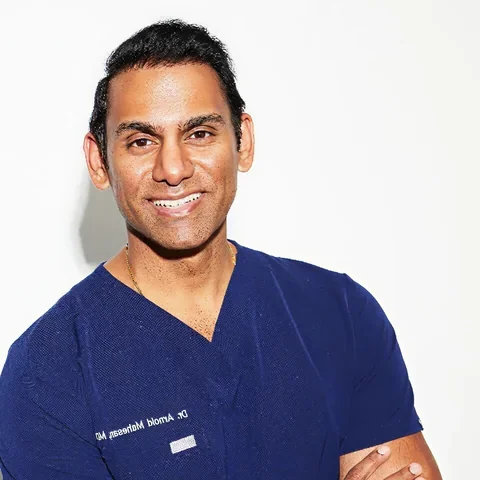
By Dr. Arnold Mahesan
Fertility SpecialistBeverly Hills Babies
Dr. Arnold Mahesan is a board-certified fertility specialist with extensive experience in IVF, fertility treatment, and gestational surrogacy. He is committed to helping intended parents navigate their journey with personalized care and expert guidance.